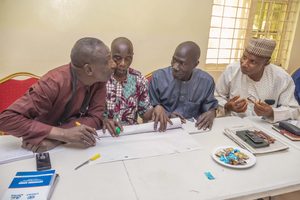

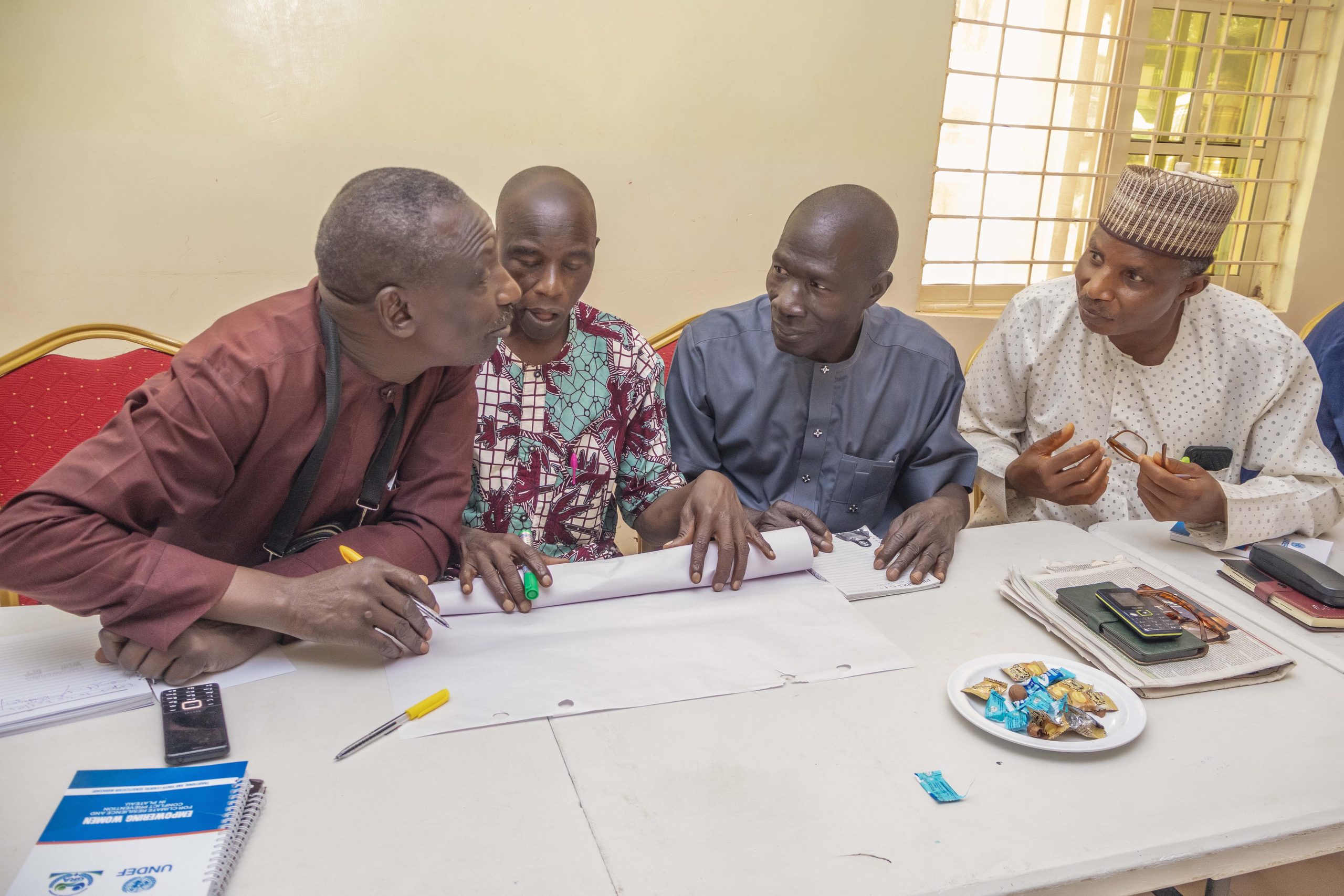
The Grassroots Researchers Association (GRA), with support from the United Nations Democracy Fund (UNDEF), has continued its Traditional and Youth Leaders Sensitization Workshop under the project “Empowering Women for Climate Resilience and Conflict Prevention in Plateau State.” Through this intervention, GRA aims to promote a community-centred approach in which local knowledge, collaborative leadership, and practical action contribute to climate resilience and peaceful coexistence in Plateau State.
For leaders of Anglo Jos, Jos South LGA, Plateau State
Venue: Sarau Event Centre Participation: 23 traditional, youth, and religious leaders representing Kambel, Kambel Lodoh, Folvorok, New Life, and Anglo Central.
The workshop explored local climate risks and resource security, highlighting how environmental challenges can affect livelihoods, contribute to resource-related tensions, and increase the risk of conflict.
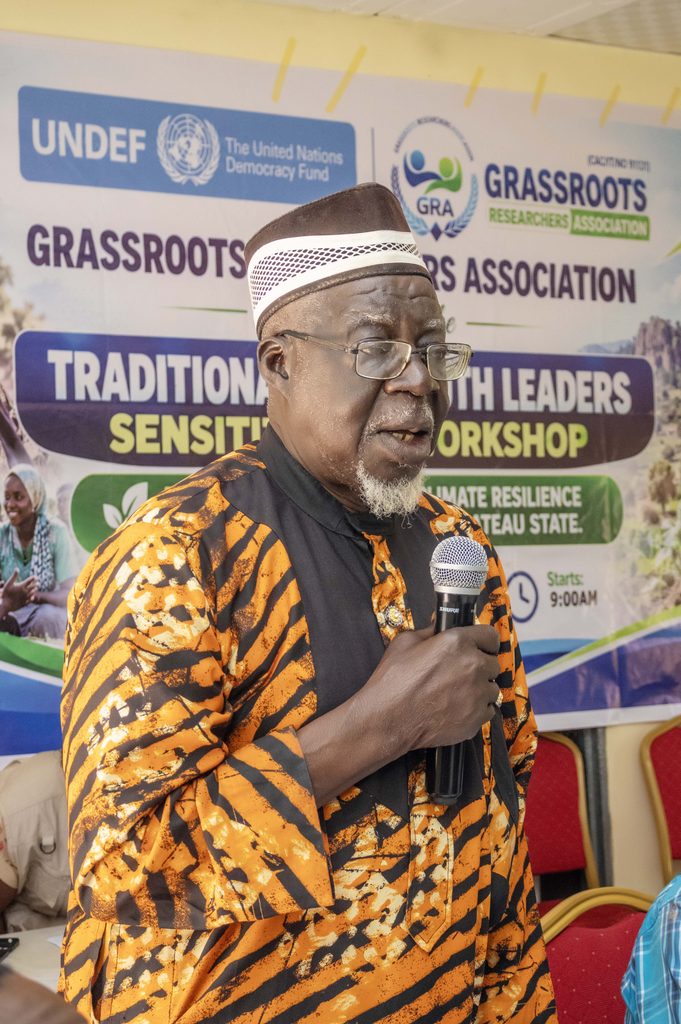
During the interactive session, participants shared firsthand experiences of changing environmental conditions in their respective communities. Some of the key concerns highlighted included the rapid drying up of water sources, topsoil erosion, reduced rainfall, noticeable changes in temperature patterns, declining agricultural productivity, and a reduction in irrigation farming activities.
Participants observed that the changing rainfall patterns and increasing temperature variations have affected farming activities, making it increasingly difficult for farmers to plan their planting seasons and sustain agricultural production.
The reduction in irrigation farming was also identified as a concern, particularly as diminishing water availability limits opportunities for dry-season cultivation. Similarly, declining crop productivity was highlighted as an emerging challenge, with implications for household food security, farmers’ incomes, and the economic well-being of community members.
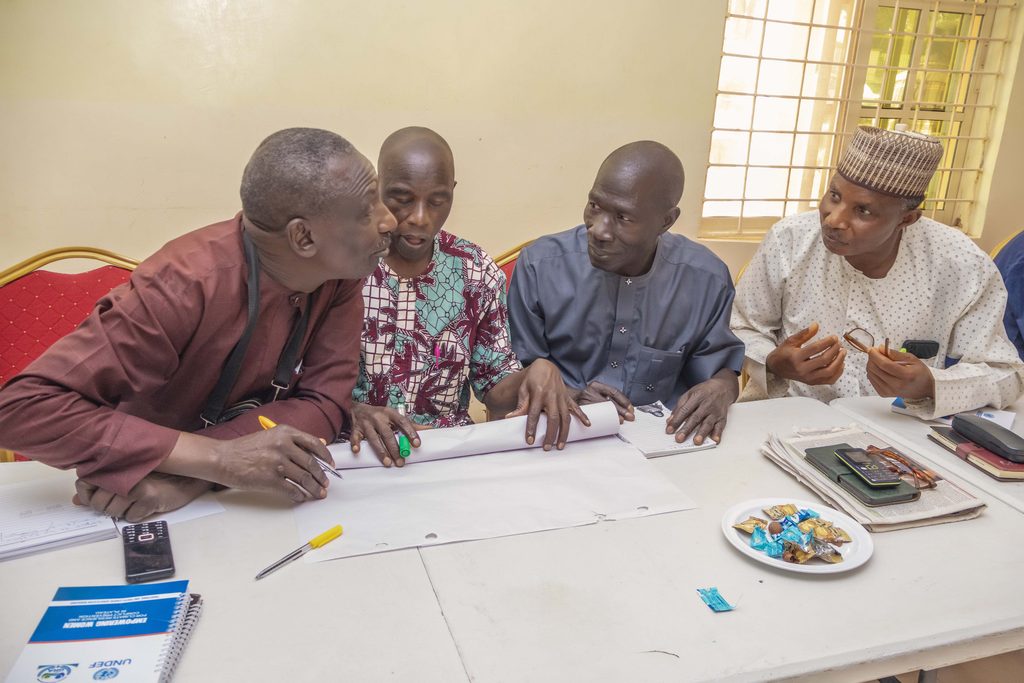
The concerns around topsoil erosion further highlighted the vulnerability of agricultural land, as the loss of fertile topsoil threatens soil quality and long-term farming productivity. These environmental realities sparked discussions on the interconnectedness of climate change, livelihood insecurity, and community conflict. Participants explored how increasing pressure on land, water, and other natural resources can intensify competition, deepen economic hardship, and potentially trigger tensions among individuals and groups if appropriate preventive measures are not adopted.
The discussions reinforced the importance of strengthening community preparedness, promoting sustainable natural resource management, and encouraging locally driven adaptation strategies. At the end of the training, the 23 participating leaders pledged to:
1. Embrace inclusive governance.
2. Support Community-Based Action Plans (CBAPs).
3. Activate early warning signs and strengthen community monitoring.
4. Allocate local resources to support community action.
Participants expressed satisfaction with the workshop and appreciated GRA for bringing the intervention closer to their communities.
Together, we can empower women, strengthen community institutions, and promote sustainable solutions to climate-related challenges and conflict. #GRA #UNDEF #ClimateResilience #ConflictPrevention #WomenEmpowerment #Inclusivegovernance #PlateauState